Earthmoving That Sets Projects Up for Success
Excavation in Benton, TN & surrounding counties for properties requiring site clearing, drainage systems, and construction foundations
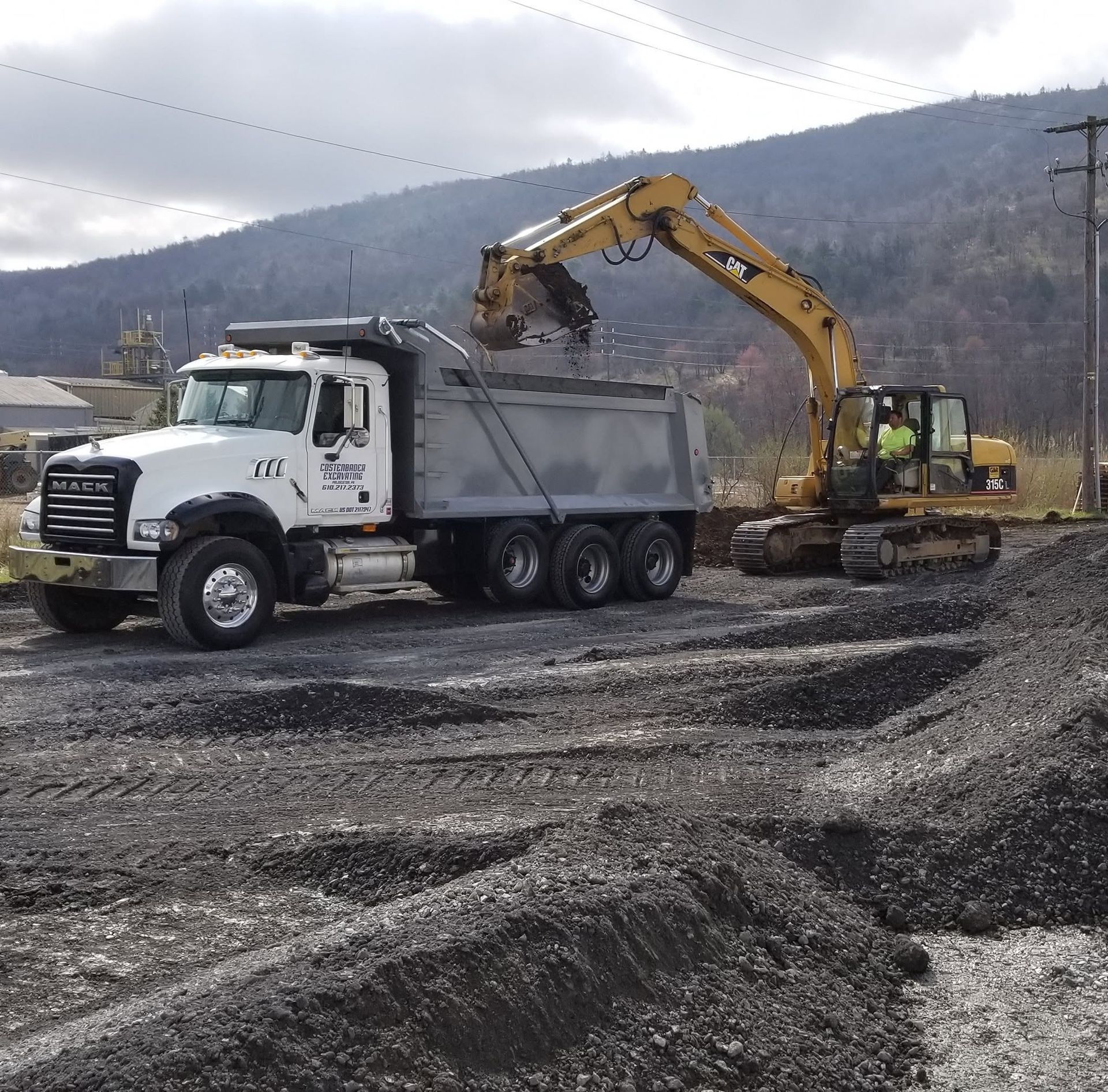
Costenbader Excavating and Paving handles excavation for residential, commercial, and agricultural projects across Benton, TN & surrounding counties throughout West Tennessee. You need excavation when preparing sites for new construction, installing utilities, improving drainage patterns, or developing property for future use. The clay-heavy soils and rolling terrain throughout this region require operators who understand how soil composition affects stability and drainage design.
Excavation involves removing earth to create proper grades, trenches, and building footprints while maintaining slope stability and managing water movement. Modern equipment operated by professionals who understand local soil conditions allows for accurate depth control and efficient material handling without disturbing areas beyond the work zone.
Schedule an estimate to review site requirements and equipment access before excavation begins.
What Proper Excavation Requires
The excavation process begins with identifying utility locations, drainage paths, and soil characteristics that affect how deep cuts will hold their shape. Operators adjust bucket angles and machine positioning to maintain grade consistency while moving material to staging areas or load-out points without creating compaction issues in areas designated for building.
Once excavation is complete, you'll notice clearly defined elevation changes, stable slopes that shed water as designed, and a work area free of organic material or unstable soil layers. Foundation contractors and utility installers can proceed immediately without waiting for additional site corrections. Properties with proper excavation drain predictably during rain events instead of collecting water in unintended low spots.
Excavation timelines depend on soil moisture, rock presence, and access constraints. Projects scheduled during drier months typically progress faster because equipment works more efficiently in firm ground conditions, and excavated material loads onto trucks without excessive mud contamination.
Questions Property Owners Ask Before Excavation
Excavation projects often raise questions about site access, material handling, and coordination with other trades. These answers address common concerns for properties in Benton, TN & surrounding counties.
What happens to excavated material once it's removed from the site?
Depending on soil quality and project needs, material is either relocated to fill areas elsewhere on the property, stockpiled for future grading work, or hauled off-site when unsuitable for reuse.
How does excavation affect existing drainage patterns on adjacent property?
Excavation plans account for natural water flow directions so that grading maintains or improves drainage without redirecting runoff onto neighboring land.
What site conditions require different excavation approaches?
Rocky substrates, high water tables, and steep slopes each demand specific equipment and techniques to maintain safety and achieve accurate grades.
When should excavation be scheduled relative to other construction phases?
Excavation occurs after clearing and before foundation work, with timing coordinated so that exposed areas aren't left open during heavy rain seasons common throughout West Tennessee.
What determines excavation depth for utility trenches versus building footprints?
Utility depth follows code requirements and frost line considerations, while building excavation depth depends on foundation design and soil bearing capacity at each elevation level.
Costenbader Excavating and Paving completes excavation projects on schedule while minimizing disruption to surrounding areas. Request a consultation to discuss site-specific soil conditions and project sequencing before earthmoving begins.